
Episode Summary
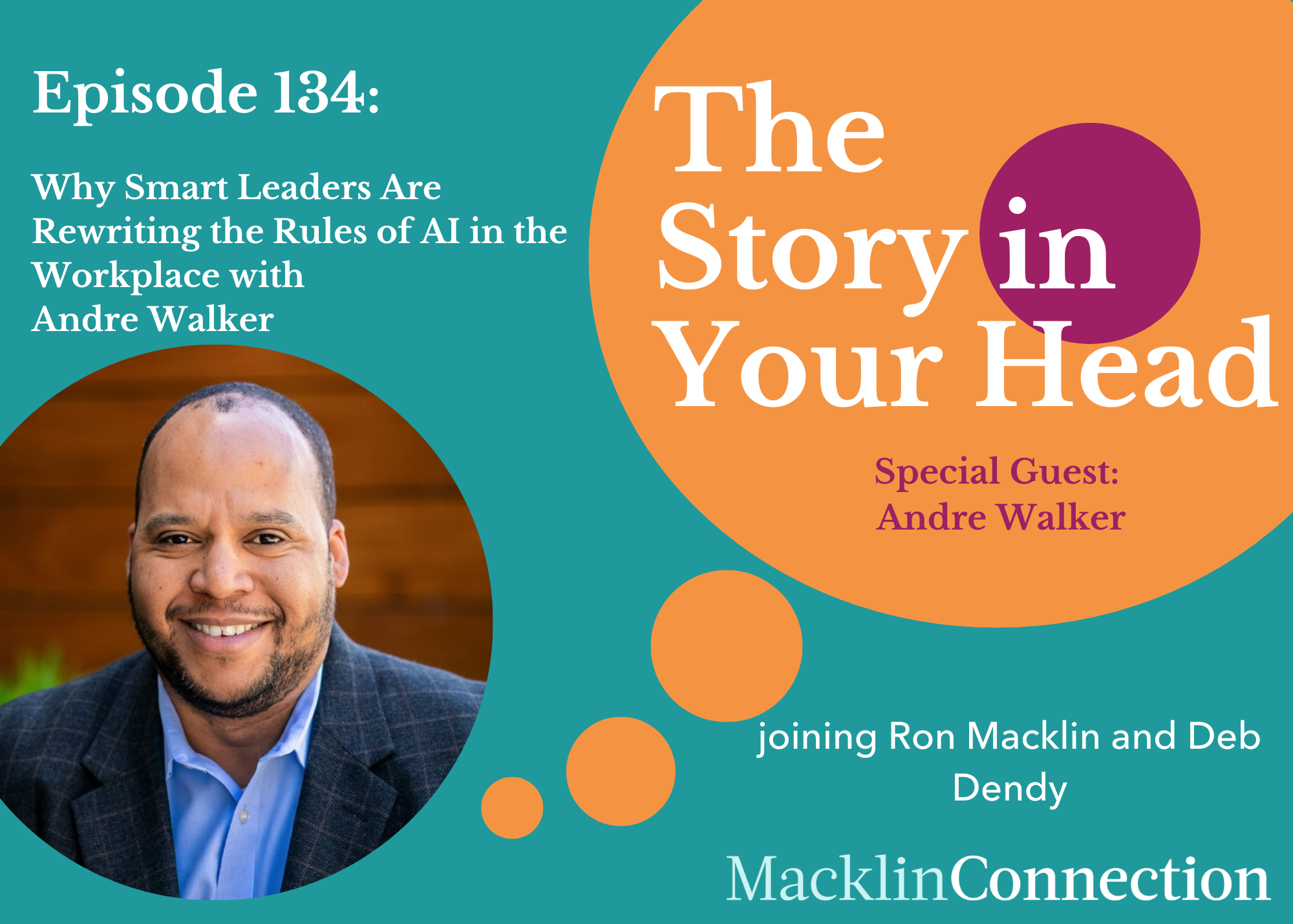
Ron and Deb welcomed Andre Walker, Senior Vice President of Power Operations at Pattern Energy, to discuss AI in the workplace, leadership, and the evolving demands on modern organizations. Together, they explored not only the technological implications of AI, but also how its integration influences company culture, trust, and strategic decision-making.
Andre Walker introduced himself and shared his early experiences with AI, beginning with tools like Google Search and ChatGPT. What started as a more advanced search engine quickly evolved into a powerful productivity partner. Encouraged by his leadership team at Pattern Energy, Andre began to explore how AI could enhance operational performance and leadership effectiveness.
This shift reflects a broader theme in leadership development today: leaders must remain curious and adaptable as new technologies reshape industries.
AI as an Efficiency Tool
Andre described AI as an efficiency multiplier – both personally and professionally. From summarizing emails to assisting with research and planning, AI helps streamline daily workflows. Within Pattern Energy’s power operations, AI-driven predictive analytics support reliability by anticipating equipment failures before they occur.
For leaders navigating digital transformation, understanding how to leverage AI is increasingly part of modern leadership training and executive decision-making. Organizations that embrace these tools thoughtfully can reduce inefficiencies and strengthen operational resilience.
Trusting AI: Evolution and Reliability
A significant part of the conversation focused on trust. Andre admitted to initial skepticism, particularly around generative AI and its potential for “hallucinations.” Over time, however, improvements in reliability shifted his perspective.
This theme connects directly to leadership communication. How leaders talk about AI adoption within their organizations can either reduce fear or create unnecessary communication problems. Clear messaging and thoughtful implementation help maintain trust while encouraging innovation.
Creating AI Personas and Personal Use Cases
Deb shared how she uses AI as a “sparring partner” – designing prompts that challenge her thinking and surface blind spots. Andre noted that different individuals, including members of his own family, find creative and personal applications for AI tools.
This mirrors how effective leadership programs encourage experimentation and growth. When leaders approach AI as a collaborator rather than a threat, they foster a culture of learning and adaptability – key elements of strong organizational culture.
AI in Industry: The Impact on Power Operations
The discussion expanded into the broader energy sector. As data centers grow and electricity demand increases, AI plays a crucial role in predictive maintenance, grid optimization, and infrastructure planning.
For organizations facing similar complexity, the integration of AI isn’t just technical – it’s cultural. Leaders must align technology adoption with a clear strategic narrative to protect and strengthen company culture while maintaining operational excellence.
The Future of AI in the Workplace
Looking ahead, Andre envisions AI transforming logistics, transportation, and routine business processes. Autonomous systems and AI-driven infrastructure could redefine efficiency across industries.
For leaders, this future reinforces the importance of ongoing leadership development and adaptability. Whether through formal leadership training courses or executive coaching, the ability to guide teams through technological shifts will define long-term success.
Thoughts on AI in Industry
The group emphasizes the call for collaboration, thoughtful investment, and strategic leadership as AI continues to expand across industries. Andre’s insights highlight that while AI enhances productivity and innovation, it does not replace human judgment or leadership.
Instead, AI challenges leaders to refine communication, strengthen culture, and remain curious. Organizations that address change proactively, rather than reactively, will be better positioned to thrive in the evolving future of work.
If you’re navigating AI adoption, leadership challenges, or cultural shifts inside your organization, we’d love to hear your story. Reach out to Ron at ron@macklinconnection.com or Deb at deb@macklinconnection.com to learn more about joining a community designed to support your personal and professional growth.

.png)